Smoke Brief (DRAFT)
The smoke brief is updated during times of severe and/or widespread smoke impacts, as often as three days per week during peak fire activity.
The smoke brief provides a broad summary of wildfire smoke conditions in the United States at the surface (ground) level, forecasted for the current day and the following day. It includes a national overview of wildfire surface smoke prevalence (low, moderate, high), followed by a summary of wildfire surface smoke impact level (light, medium, heavy) for affected areas.
For current information about air quality, smoke impacts, forecasts, trends and more in your area, visit fire.airnow.gov.
Learn more about the air quality index at Learn more about the Air Quality Index at https://www.airnow.gov/aqi/aqi-basics/.
The objectives of the smoke brief are:
- Promote smoke and air quality situational awareness within the wildland fire management community.
- Promote the timely communication of smoke impacts on air quality.
A multitude of spatial data sources are considered and interpreted to develop the smoke brief, including smoke, air quality, and weather forecast products, air quality observations, and fire environment observations and forecasts.
- The smoke brief provides a national overview of wildfire smoke prevalence (low, moderate, high), followed by a summary of wildfire smoke impact level (light, medium, heavy) for each area under smoke impact.
- When appropriate, areas affected by wildfire smoke are geographically grouped and/or referenced following census regions (4) and subregional divisions (9) defined in this map:
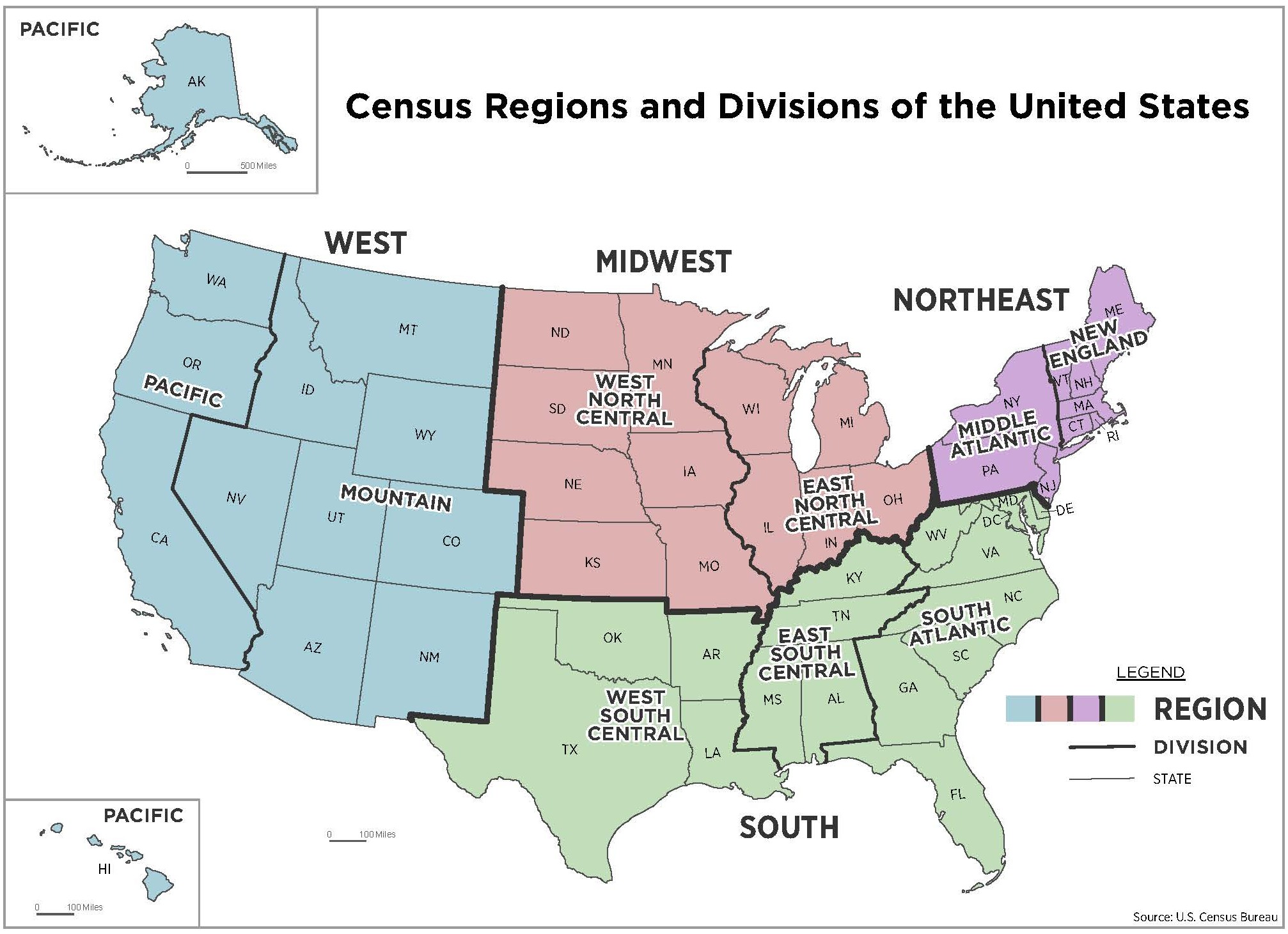
https://www2.census.gov/geo/pdfs/maps-data/maps/reference/us_regdiv.pdf
Smoke prevalence categories are defined as:
- Low – 1 to 3 subregions (i.e., census divisions) affected
- Moderate – 4 to 6 subregions affected
- High – 7 to 9 subregions affected
Smoke impact level categories are defined as:
- Light – Most of the affected area has PM2.5 Air Quality Index (AQI) in the Good or Moderate category
- Medium – Most of the affected area has PM2.5 AQI in the Unhealthy for Sensitive Groups category
- Heavy – Most of the affected area has PM2.5 AQI in the Unhealthy or worse category
Caveats & Disclaimers:
- The smoke brief is an informal tool for sharing wildfire smoke information to promote situational awareness and timely communication of smoke impacts. It is not intended for public health messaging purposes. The format and availability of the smoke brief are subject to change.
- The smoke brief should generally be available on Monday, Wednesday, and Friday before 11:30 MT when the National Preparedness Level is 3 or higher, or during times of severe and/or widespread smoke impacts. Please expect occasional delays and outages.
- The smoke brief focuses on smoke that has broad (i.e., regional) and/or significant impacts. Smoke from small, isolated fires is not included.
- Smoke information provided is not specifically aligned with particulate matter (PM) concentrations or the US EPA Air Quality Index; therefore, it is not meant for public health impact interpretation at this point.
- Forecast range is limited to the day following the issue of the smoke brief.
Contact the U.S. Wildland Fire Service Smoke Management Team with any questions and feedback:
ShihMing Huang: shihming_huang@nps.gov
Seth Morphis: seth_morphis@nps.gov


