NIFC Basics
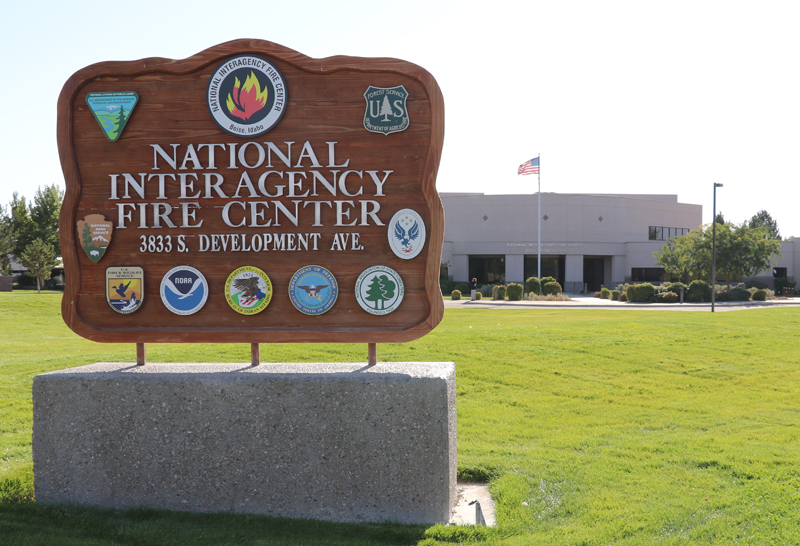
Located east of the Boise Airport, a 55-acre campus is home to the National Interagency Fire Center, or NIFC.
NIFC is not an organization unto itself, but rather a place where employees of many agencies work together. The employees at NIFC have a shared goal: to ensure wildland fire personnel and other emergency services employees across the nation receive the support and information they need to do their job in a safe, effective, and efficient manner. Cooperation and collaboration among national and state wildland fire entities is at the core of everything that takes place at NIFC.
The six federal and state agencies located at NIFC provide fundamental support to on-the-ground wildland firefighting efforts. They also develop wildland fire policy and serve as the logistical, intelligence, and decision-support center for wildland fire and other all-hazard emergency incidents throughout the nation.
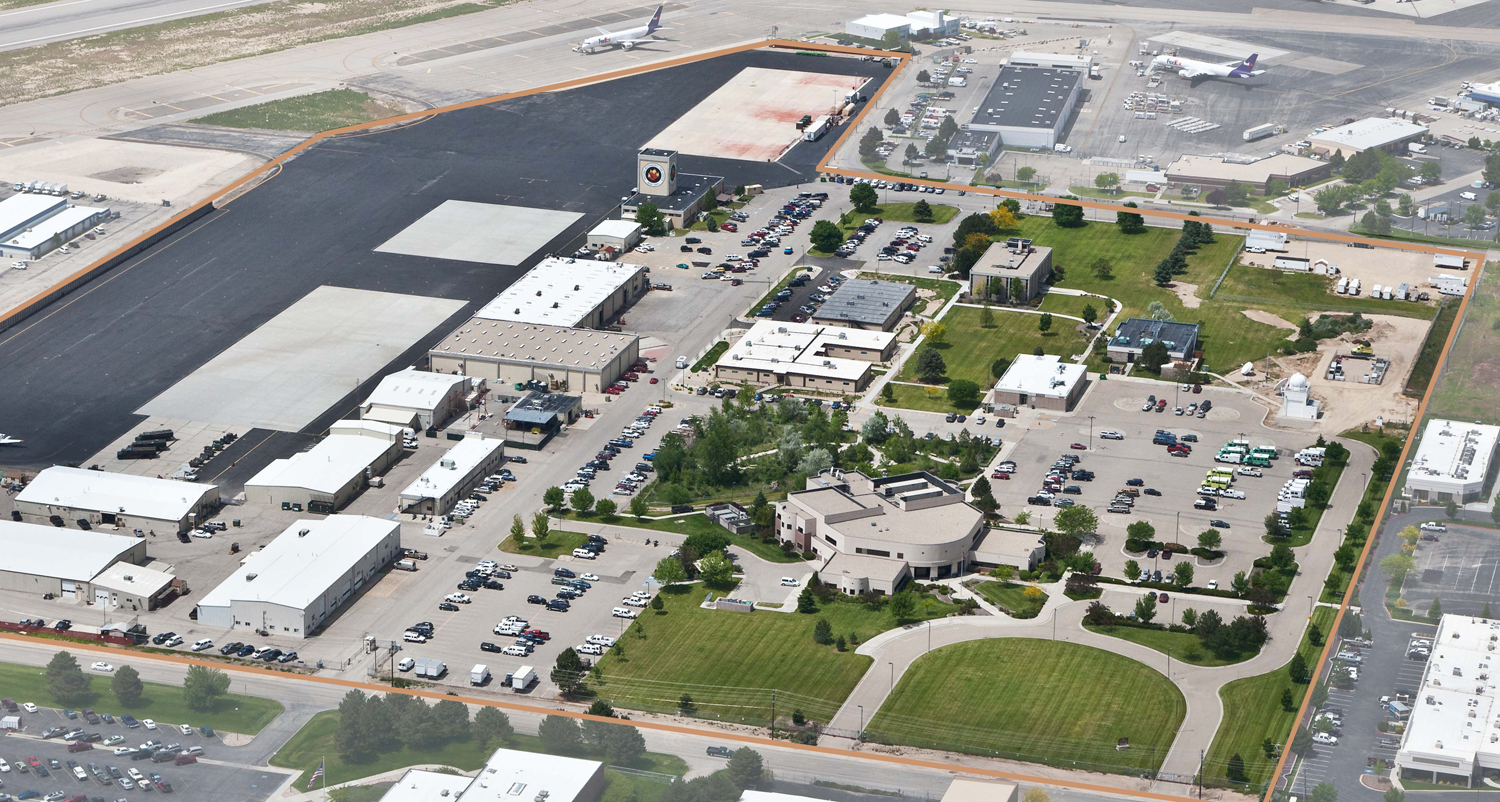
NIFC at a glance
NIFC was established in 1965 as the Boise Interagency Fire Center (BIFC) when the Bureau of Land Management (BLM), USDA Forest Service (USFS) and National Weather Service (NWS) recognized the need to pool resources, cut costs, and coordinate national fire suppression and planning efforts. Construction of the first buildings on campus began in 1968.
Throughout the 1970s, the Bureau of Indian Affairs (BIA), National Park Service (NPS), and U.S. Fish and Wildlife Service (USFWS) established offices at BIFC.
In 1993, the name was changed to the National Interagency Fire Center to better reflect its expanding mission.
In 2026, the Department of the Interior unified its wildland fire programs that were previously spread across BIA, BLM, FWS, NPS, the Office of Aviation Services, and the Office of Wildland Fire into a single, cohesive U.S. Wildland Fire Service (USWFS).
Organizations currently represented at NIFC include U.S. Fire Administration (USFA), U.S. Forest Service (USFS), U.S. Wildland Fire Service (USWFS), National Association of State Foresters (NASF), and the National Weather Service (NWS). In 2008, a liaison position representing the U.S. Department of War (DOW, previously Department of Defense) was established.
NIFC does not have a single director. NIFC leadership is comprised of each agency’s directors or their representatives.
About 650 people are employed year-round at NIFC. That number increases to roughly 1,000 at the peak of busy fire years, when temporary employees are hired to help with the workload.
Although wildland fire support and planning make up the primary mission of member agencies, NIFC also supports other disaster needs and logistics, including earthquakes, floods, hurricanes, volcanic eruptions, and attacks.
NIFC also supports natural disaster management in foreign nations, including Australia, Canada, Greece, Mexico, New Zealand, Spain, and Russia.
Together, the agencies represented at NIFC defend communities, protect natural resources, save tax dollars, and most importantly, help ensure the safety of the public and fire personnel. It’s little wonder that elected officials, news media, foreign dignitaries, and other agencies praise NIFC as a model of teamwork and cooperation.


